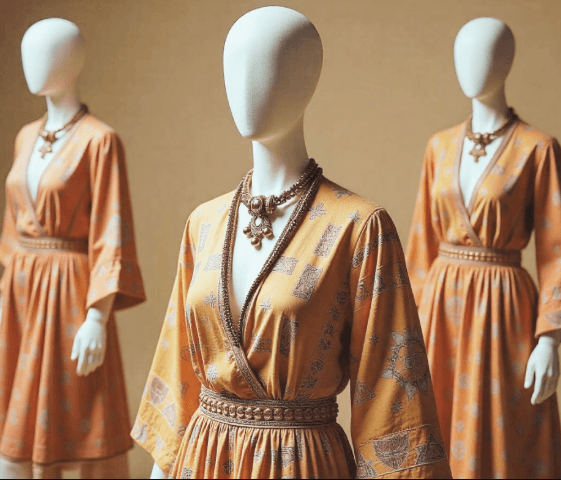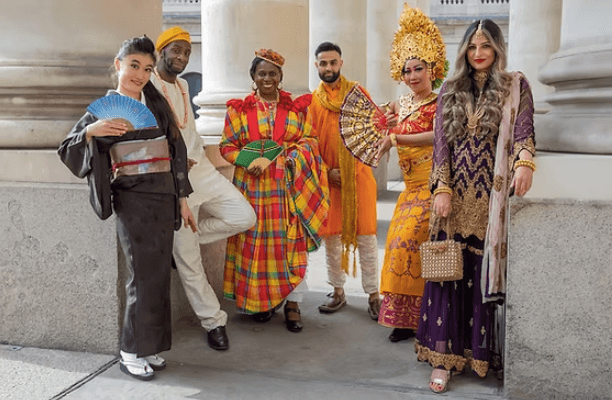
Cultural celebrations shape fashion by turning ritual into fabric, motif into silhouette. Garments carry memory through color, embroidery, and pattern. Designers translate ceremonial techniques into contemporary forms, bridging time and place on runways and streets. The act of referencing heritage raises questions of authenticity, representation, and respect. As communities claim space in design, a broader conversation unfolds about belonging, identity, and the evolving language of dress. The next example waits, inviting closer examination.
How Culture Shapes Fashion: Traditions, Motifs, and Meaning
Cultural traditions color fashion by encoding meaning into fabric, silhouette, and decoration, guiding how garments are chosen, worn, and interpreted. Observers note how rituals seed motifs, shaping cultural symbolism within wardrobes. The narrative remains contextual: communities preserve memory through materials, textures, and patterns. Textile evolution emerges as a dialogue between heritage and innovation, reflecting identity, values, and collective freedom in daily attire.
From Craft to Collection: Translating Ceremonial Techniques on Runways
From ceremonial techniques to fashion week, designers translate long-standing ritual practices into present-day collections by preserving core motifs while reinterpreting materials, silhouettes, and handiwork for a contemporary audience.
The process foregrounds craft technique and ceremonial textiles, turning heritage into narrative through runway storytelling.
Cross cultural collaboration surfaces as designers reinterpret symbols, creating a dialog between tradition and modern silhouette without erasing context.
Respect and Representation: Navigating Authenticity in Cultural Fashion
The discussion pivots from how ceremonial techniques inform present-day silhouettes to how fashion brands acknowledge the people and cultures behind those motifs. Observers note tension between expression and responsibility, where cultural appropriation risks erasing voices. Genuine progress hinges on community consultation, transparent sourcing, and inclusive storytelling that centers artisans, elevates identities, and preserves meaning beyond trend cycles. Freedom rests in accountable collaboration.
Modern Glasses: Everyday Style Inspirations From Global Celebrations
Modern spectacles draw daily influence from global celebrations, translating vibrant motifs and color palettes into accessible, wearable forms. Observers note how frames assimilate ceremonial patterns into everyday silhouettes, enabling personal expression without ceremony. Global lenses refract cultural cues into neutral palettes or bold accents. Celebratory silhouettes persist across brands, offering freedom to mix tradition with modern minimalism in daily sight.
Frequently Asked Questions
How Do Fashion Houses Collaborate With Artisans Today?
Fashion houses collaborate with artisans through structured partnerships, supervising craftsmanship while ensuring fair compensation, training, and transfer of skills. These collaborations emphasize artisan partnerships and craft ethics, balancing innovation with respect for tradition and an observerly, contextually aware stance.
What Safeguards Protect Cultural Heritage in Fashion Collections?
Observing a cautious chorus, cultural safeguards guard heritage protection within fashion collections, as institutions audit sourcing, provenance, and collaboration. The field remains vigilant, balancing innovation with respect, ensuring discourse and accountability inform practice for a freer, informed audience.
Can Traditional Attire Influence Modern Athletic Wear Design?
Traditional attire can influence modern athletic wear; athletic wear borrows silhouette and texture from cultural influence, translating ceremonial aspects into functional, modern design. Observational notes suggest designers balance heritage with performance needs, preserving meaning while enabling broader freedom of expression.
How Are Diasporic Communities Represented in Fashion Shows?
Diasporic representation appears as curated contrasts in fashion shows, where designers thread migration stories through silhouettes and textiles; narratives unfold across runways, inviting audiences to witness fluid identities while contemporary freedom guides evolving fashion show narratives. Anachronism: holographic feathered chiton.
See also: Data Visualization Techniques
What Role Does Sustainability Play in Culturally Inspired Couture?
Sustainability shapes culturally inspired couture through careful, sustainable sourcing and ethical storytelling, guiding designers to honor traditions while mitigating harm; observers note a balancing act where freedom to express culture meets responsibility toward people and ecosystems.
Conclusion
Cloaked in color, fabrics breathe like landscapes of memory, where each stitch maps a rite onto modern skin. Runways become quiet marketplaces of meaning, displaying ceremonial threads as wearable stories rather than relics. Footfalls echo with collaboration, respect, and shared invention, transforming heritage into daily ritual. As motifs drift from temple hall to street corner, they halo individuality while stitching communities together. In this suspended moment, culture and couture conspire to illuminate belonging as a perpetual, evolving ritual of style.