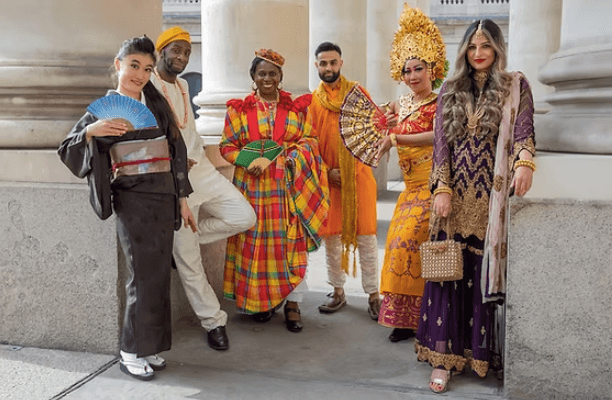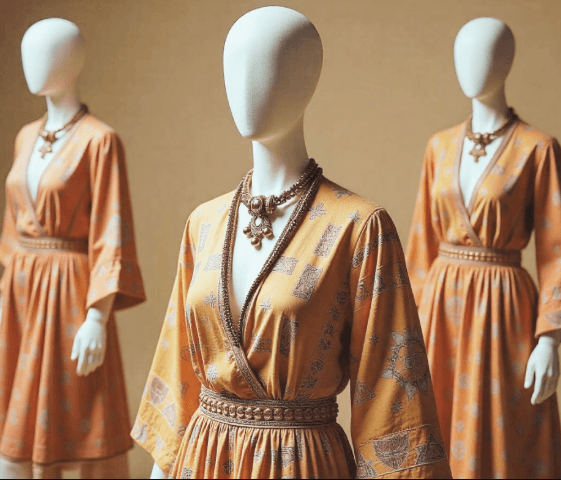
Cultural appropriation in fashion involves the selective borrowing of symbols from marginalized groups. It often centers power imbalances, commercial gain, and distorted meanings. The line between respectful homage and exploitative use can be thin and shifting. Context, consent, and impact matter as much as intention. Brands and consumers face choices that reveal deeper questions about ownership and responsibility. The discussion invites scrutiny that unsettles comfortable narratives and points toward more accountable practices.
What Cultural Appropriation in Fashion Really Means
Cultural appropriation in fashion refers to the adoption or imitation of elements from one culture by members of another, often without understanding, consent, or acknowledgment, and frequently in ways that distort meaning or commodify heritage.
The practice reveals cultural exchange as unequal power dynamics, where dominant systems monetize others’ symbols, while marginalized groups bear collateral loss, misrepresentation, and eroded agency within global market conversations.
How to Spot Harmful Use vs. Respectful Inspiration
How can one distinguish harmful use from respectful inspiration in fashion? The answer rests on context, intention, and impact, not mere symmetry or trendiness.
A careful cultural lens prevents fetishizing motifs, while accountability demands shift from gaze to consequence.
Honest practices engage respectfully, credit communities, and avoid stereotyping.
Distinctions emerge through critique, transparency, and ongoing, conscientious dialogue.
Real-World Case Studies: Lessons From Icons and Brands
Real-World Case Studies reveal how icons and brands navigate the fraught boundary between homage and appropriation, offering concrete lessons on intent, accountability, and impact.
They reveal patterns where cultural exchange becomes origin storytelling, or fades into commodified novelty.
These instances foreground power, consent, and context, prompting scrutiny of audience reception, brand responsibility, and the durability of cultural narratives beyond momentary trend cycles.
See also: Data Visualization Techniques
Practical Guidelines for Designers, Retailers, and Consumers
Designers, retailers, and consumers can reduce risk and elevate accountability by adopting tangible, step-by-step practices that foreground consent, context, and consequence; this approach translates ethical considerations into actionable workflows.
The guidelines center on design ethics and cultural sensitivity, demanding transparency, collaboration, and ongoing critique.
Critically, they challenge power imbalances, urging careful sourcing, representation, and accountability beyond marketing rhetoric.
Frequently Asked Questions
How Do Personal Identities Influence Cultural Interpretation in Fashion?
Identity expression shapes how individuals interpret fashion icons and symbols, yet personal impact varies with power, privilege, and context. The question critiques reception, urging readers to consider responsibility, boundaries, and historical voices rather than unquestioned admiration or appropriation.
Can Appreciation Ever Cross Into Appropriation, and Where Is the Line?
Appreciation can cross into appropriation when cultural boundaries are ignored or exploited; the line lies in consent, context, and impact. The assessment favors respectful collaboration, transparency, and accountability, recognizing power dynamics and prioritizing communities’ voices over novelty or profit.
What Role Do Indigenous Communities Have in Shaping Fashion Trends?
A striking 62% statistic underscores indigenous design histories’ influence; communities guide contemporary runs, shaping silhouettes and ethics. They influence patterns through ceremonial motifs, asserting agency, demanding proper credit and collaboration rather than mere cultural embellishment.
How Can Brands Meaningfully Credit Source Communities Beyond Token Gestures?
Brands can pursue authentic collaboration and ethical sourcing by long-term partnerships with source communities, equitable profit sharing, and transparent credit. They should center community leadership, avoid perfunctory token gestures, and critique power imbalances shaping fashion’s cultural narratives.
Are There Legal Implications to Cultural Appropriation in Design?
Yes, there are legal risks and liability considerations tied to cultural appropriation in design, though outcomes vary; the discussion emphasizes design ethics, accountability, and evolving norms, prompting brands to evaluate risk, intent, and repercussions within a freer, critical framework.
Conclusion
Cultural appropriation in fashion is not a fleeting trend but a lens on power and consent. The article situates harms as the result of asymmetric dynamics, urging accountability over mere novelty. It argues that respectful inspiration requires collaboration, transparency, and proper credit, lest fashion become a ledger of exploited heritage. Viewed through this critical lens, brands must dismantle unequal practices or risk eroding consumer trust; the runway becomes a mirror, revealing who owns the narrative and who silently pays the price. A cautionary compass.