Building simple, budget-friendly furniture relies on easy-to-source materials and straightforward joints. Plan around space and workflow to avoid clutter, then match tools to tasks with a clear cutting-assembly-finishing sequence. Track costs and material lists to keep projects repeatable. Expect adjustments as sizes and fits prove themselves. The method stays disciplined: measure precisely, cut once, assemble cleanly. A practical, reliable approach awaits those who want solid results without overextending resources.
What You Can Build on a Budget (and What Not to Expect)
Many people assume building furniture on a tight budget means sacrificing quality, but selective planning and material choices can yield sturdy, functional pieces. This section outlines budget friendly options and what to expect, focusing on achievable projects and reliable methods. It notes unexpected limitations, such as tool access and hardware costs, guiding practical decisions while preserving design flexibility and purposeful, economical results.
Plan Your Furniture Project: Space, Tools, and Materials
Careful planning sets the foundation for a successful project by matching space, tools, and materials to the intended design. In space planning terms, assess room dimensions, accessibility, and workflow to prevent clutter and delays. Allocate a realistic budget for tool budgeting, prioritizing versatile basics. List materials, confirm delivery timing, and safeguard margins for changes. Precision planning minimizes waste and accelerates progress.
Step-by-Step: From Cutting to Finishing Simple Pieces
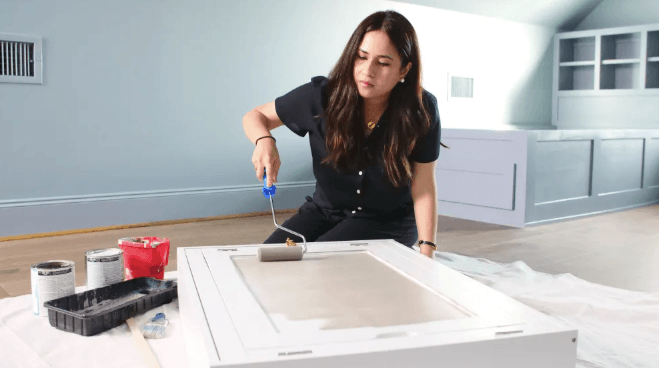
Prospective builders begin with a clear sequence: cut, assemble, and finish in controlled steps to ensure accuracy and repeatability. The process follows measured planning: select materials, cut precisely, join with appropriate fasteners, and verify alignment before finishing. Throughout, budget friendly techniques and upcycling ideas enable cost efficiency. Documented steps create repeatable results, promoting disciplined craftsmanship while maintaining freedom to customize.
Troubleshooting and Upgrades: Common Pitfalls and How to Improve Quality
Common pitfalls in DIY furniture projects often arise from mismatched materials, imprecise measurements, and weak joints. Troubleshooting focuses on diagnosing shoddy joints, addressing finishing flaws, and balancing cost vs quality. Upgrades emphasize reliable tool upgrades, accurate jigs, and sharper blades. A disciplined workflow reduces waste, improves fit, and ensures durable results, aligning practical craft with the freedom to customize without compromising integrity.
Frequently Asked Questions
How Long Does It Take to Complete a Small Project?
The duration varies with time management and project scope, but a small project typically completes in a few hours to a day. A detached reviewer notes efficiency depends on clear tasks, material readiness, and steady progress without scope creep.
What Woods Are Best for Beginners’ Projects?
Softwoods are best for beginners’ projects, offering predictable workability and cost efficiency. They suit budget conscious choices, are easy to machine, and readily available, allowing practical, precise results for makers seeking freedom to experiment with simple designs.
Can You Reuse Scrap Wood Safely for Furniture?
Reusing scrap is feasible, but requires vigilant woodworking safety. The approach minimizes waste, yet demands careful inspection, proper cutting, and dust control; caution ensures joints endure, and sustainability remains practical, freeing creativity without compromising structural integrity or user safety.
Do You Need a Workshop Space Beyond a Garage?
A garage can serve as workable shop space considerations, but dedicated shop space may improve safety and organization. Yes, a garage workspace suffices for light projects; for serious work, evaluate ventilation, noise, storage, and accessibility before expanding.
See also:Data Visualization Techniques
How Much Should I Budget for Fasteners and Finishes?
Budgeting for fasteners and finishes depends on scope, but practical figures start with budgeting basics: allocate a modest contingency. Finish selection should balance durability and aesthetics, prioritizing a single-coat option for speed while retaining freedom to refine later.
Conclusion
In summary, budget-friendly furniture hinges on careful planning, practical tool choices, and repeatable processes. By mapping space, materials, and workflow, builders minimize waste and maximize quality. A straightforward example: a small coffee table crafted from plywood, dowels, and a single-rail track can be completed in a weekend with precise cuts and patient sanding. The result is sturdy, minimalist, and finish-ready, demonstrating that solid joints and thoughtful sequence—with margins for adjustment—yield durable pieces within affordable means.