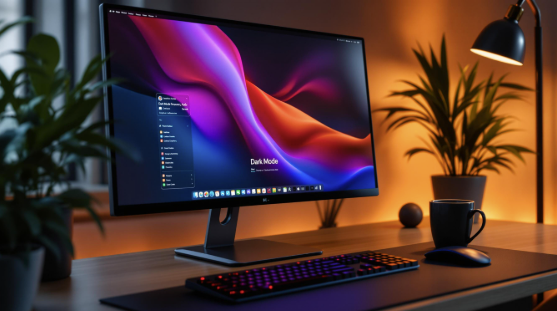
Dark mode is redefining visual hierarchy with restrained luminance and grayscale semantics that sharpen focal points without overstimulation. It emphasizes accessibility and comfort through ambient readability and consistent contrast, preserving brand resonance across environments. Strategic patterns and scalable systems reduce cognitive load while supporting cross-device performance. The result is a design language that adapts to varied lighting while maintaining emotional continuity, inviting stakeholders to consider how these shifts alter clarity, efficiency, and user autonomy beyond the current interface.
How Dark Mode Reshapes Visual Hierarchy
Dark mode alters visual hierarchy by shifting contrast patterns and emphasis. It redefines emphasis by prioritizing dark contrast against lighter edges, guiding eye movement with intentional luminance balance. Grayscale semantics become the ruler of perception, clarifying hierarchy without color signals. This approach empowers users to scan content efficiently while preserving legibility, flexibility, and autonomy across environments and devices.
Accessibility and Comfort in Dimmer Interfaces
Dimmer interfaces must balance visibility with comfort to reduce eye strain and cognitive load across environments.
In practice, accessibility centers on predictable layouts, legible typography, and adjustable brightness without sacrificing performance.
Dark ergonomics guides control placement and contrast choices that honor user autonomy.
Ambient readability supports seamless transitions between lighting conditions, empowering users to navigate interfaces confidently and efficiently.
Color, Contrast, and Brand Story in Dark Mode
A strategic framework supports user freedom by enabling quick recognition, consistent cues, and emotional resonance.
Emphasize color harmony and a robust contrast strategy to safeguard brand perception across environments.
Practical Patterns for Dark Mode Designs
Designers favor scalable systems, clear hierarchy, and responsive controls, enabling rapid iteration while preserving user autonomy, comfort, and a sense of visual freedom.
Frequently Asked Questions
How Does Dark Mode Affect Motion and Animation Preferences?
Dark mode can influence motion and animation preferences by enhancing motion comfort, reducing perceived latency, and guiding animation timing toward slower, clearer transitions that minimize strain. This approach prioritizes user freedom, accessibility, and a strategic, user-centric experience.
See also:garudavip88com
Do Users Prefer Blue-Light or Amber-Tinted Dark Mode Themes?
Blue light vs amber tinted dominates user preference; blue light harms comfort in low light environments, while amber tinted elevates user comfort in low light environments. The user-centric, strategic stance favors amber tinted for freedom-seeking audiences.
Can Dark Mode Influence Revenue or Conversion Rates?
“Yes, dark mode can influence revenue and conversion. It shapes user comfort and time spent, driving engagement.” The analysis shows Dark mode revenue patterns and conversion impact vary by context, device, and audience, guiding strategic, user-centric decisions for freedom-oriented teams.
What Are Best Practices for Dark Mode in Dashboards?
Best practices for dark mode dashboards emphasize accessible contrast, legible typography, and consistent color semantics; prioritize user-centric layouts, responsive charts, and clear signaling. This strategic approach supports freedom-loving users while optimizing readability, navigation, and actionable insights.
How Does Dark Mode Impact Search and Navigation Usability?
Dark mode can enhance search and navigation when dark contrast is maintained, but legibility tests and user feedback reveal potential motion fatigue from rapid animation pacing; careful pacing and accessible contrast support freedom while preserving clarity.
Conclusion
Dark mode isn’t just a theme; it’s a strategic reordering of perception. By exaggerating contrast, it elevates hierarchy to superhero status, guiding attention with laser-like precision. Accessibility and comfort bloom in near-silence, letting content breathe without fatigue. Brand stories become silhouettes with powerful personality, amplified by restrained luminance and grayscale language. Practical patterns turn complexity into calm, performance into flow. In short, dark mode optimizes clarity, autonomy, and emotion—an unstoppable, user-centric design revolution in disguise.